Sun Woes: The Downsides of Solar Energy
As the world increasingly turns to renewable sources of energy to meet sustainability goals and reduce carbon emissions, solar energy has emerged as one of the frontrunners in the race to replace fossil fuels. Harnessing the power of the sun to generate electricity presents a clean, abundant, and seemingly inexhaustible resource. However, like any technology, solar energy comes with its own set of challenges and drawbacks. In this critical analysis, we delve into the lesser-known disadvantages of solar energy, examining environmental impacts, cost considerations, and other potential downsides that warrant attention.
Environmental Impacts
Resource Extraction and Habitat Disruption
The production of solar panels requires the extraction of raw materials, such as quartz, silver, and rare earth elements. These mining activities can result in significant habitat disruption, soil erosion, and water contamination. Moreover, the finite nature of these materials and the growing demand for them pose concerns about the sustainability of the solar energy industry in the long run.
Energy Consumption and Greenhouse Gas Emissions
The manufacturing process of photovoltaic (PV) cells is energy-intensive. It involves high temperatures to purify silicon and additional energy to manufacture the panels. Although solar panels generate clean energy once installed, the production phase contributes to greenhouse gas emissions and has a carbon footprint that must be considered when evaluating the overall environmental impact of solar technology.
End-of-Life Disposal
Solar panels have a lifespan of about 25 to 30 years. As the number of deployed solar panels increases, so does the potential waste generated at the end of their life cycle. The recycling infrastructure for solar panels is not yet fully developed, and there is a risk that toxic materials contained in some panels, such as lead or cadmium, could end up in landfills, causing environmental harm.
Cost Considerations
High Initial Investment
The upfront cost of purchasing and installing solar panels can be prohibitive for many homeowners and businesses. While prices have dropped precipitously over the past decade, the initial investment remains substantial, and the payback period can vary significantly depending on geographical location, subsidies, and the cost of electricity.
Intermittency and Storage Issues
Solar power is an intermittent source of energy—it's only available when the sun is shining. This variability necessitates the development of efficient energy storage systems or the reliance on backup power sources to ensure a consistent energy supply. The cost of batteries and other storage options can add considerably to the overall expense of a solar energy system.
Limited Suitability and Space Requirements
Solar panels are less effective in regions with low sunlight exposure or in urban areas where space constraints limit the installation of a sufficiently large array of panels. Moreover, not every roof is suitable for solar panel installation due to structural considerations or orientation toward the sun.
Aesthetic and Community Concerns
Visual Impact and Land Use
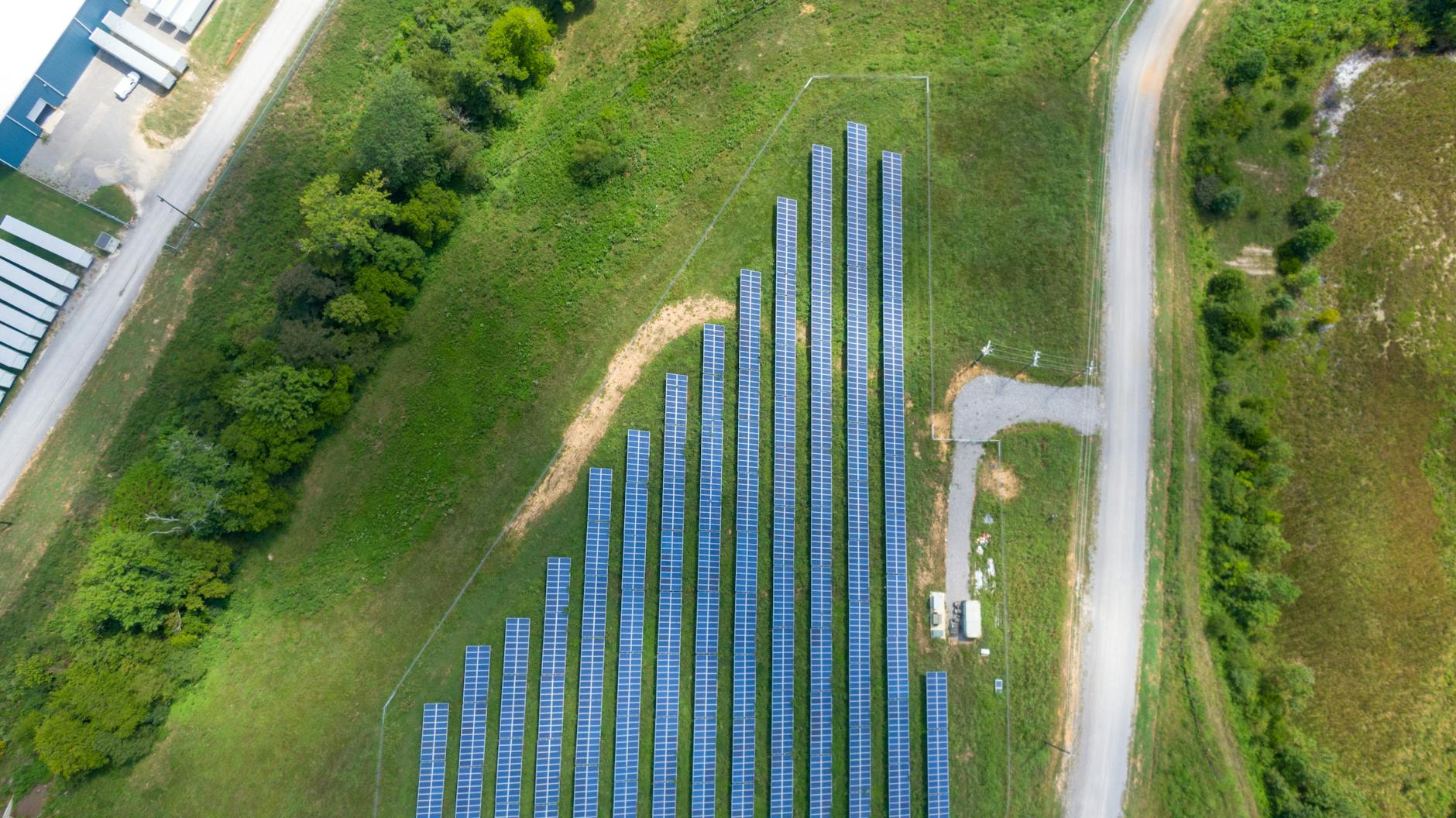
Large solar farms require significant land, which could otherwise be used for agriculture or left in its natural state. The visual impact of these farms is a matter of personal and public opinion, which can provoke community opposition and limit the development of such projects.
Potential for Inequity
There are concerns that the benefits of solar energy may not be equitably distributed. Lower-income households and communities may lack the financial resources to invest in solar technology, leading to a gap in access to clean energy and the incentives or savings it provides.
Conclusion
Solar energy, while a promising and environmentally beneficial technology, is not without its drawbacks. As we continue to expand solar energy capacities, it is imperative to address the concerns surrounding environmental impacts, costs, and social equity to ensure a sustainable and just transition to solar energy. Continuous research, innovation, and policy-making are required to mitigate these downsides and maximize the potential for solar power to contribute to a greener future.